July 24, 2026
Urban landscapes depend heavily on the proper upkeep of vegetation to maintain both safety and aesthetic value. Understanding when tree care becomes urgent can prevent property damage, promote healthy tree growth, and ensure safety in urban and suburban environments. The ability to recognize these signs empowers homeowners and property managers to take timely actions. Trees not only enhance the beauty of a landscape but also add to environmental benefits, making their upkeep a primary concern. Ensuring they are well-maintained is essential for sustaining these advantages over many decades.
When structural integrity is compromised or nature inflicts severe weather damage, waiting is rarely an option. Delaying necessary interventions often compounds the risks, leading to costlier interventions later. Property owners must remain vigilant, observing changes in foliage, bark stability, and branch extension throughout the changing seasons. By establishing a baseline of regular observation, you can easily identify when a situation transitions from routine maintenance to an absolute emergency.
Understanding Seasonal Development Patterns
Trees follow an annual growth cycle characterized by seasons of dormancy and active growth. Spring often marks the renewed activity in trees as they bud and form new leaves, while winter generally constitutes their dormant phase. Understanding this cyclical nature helps in planning when interventions should be carried out to support healthy development. Since trees under 30 feet are generally classified as small, they may require different management compared to those reaching 60 feet or taller, which are considered large, according to Lawn Love. These growth cycles can vary significantly, depending on the species and environmental conditions.
Growth rates in trees are influenced by multiple factors including soil quality, water availability, and sunlight. These elements contribute to how quickly a tree matures and its overall health. For instance, inadequate water supply can stunt growth, whereas abundant sunlight can enhance it. Additionally, urban environments often pose challenges like air pollution that can negatively impact growth. Being aware of these factors allows for proactive care, ensuring trees reach their full potential. When these patterns are disrupted, scheduling a professional service for residential tree trimming can restore the natural balance of the plant.
Mitigating Immediate Public Safety Hazards
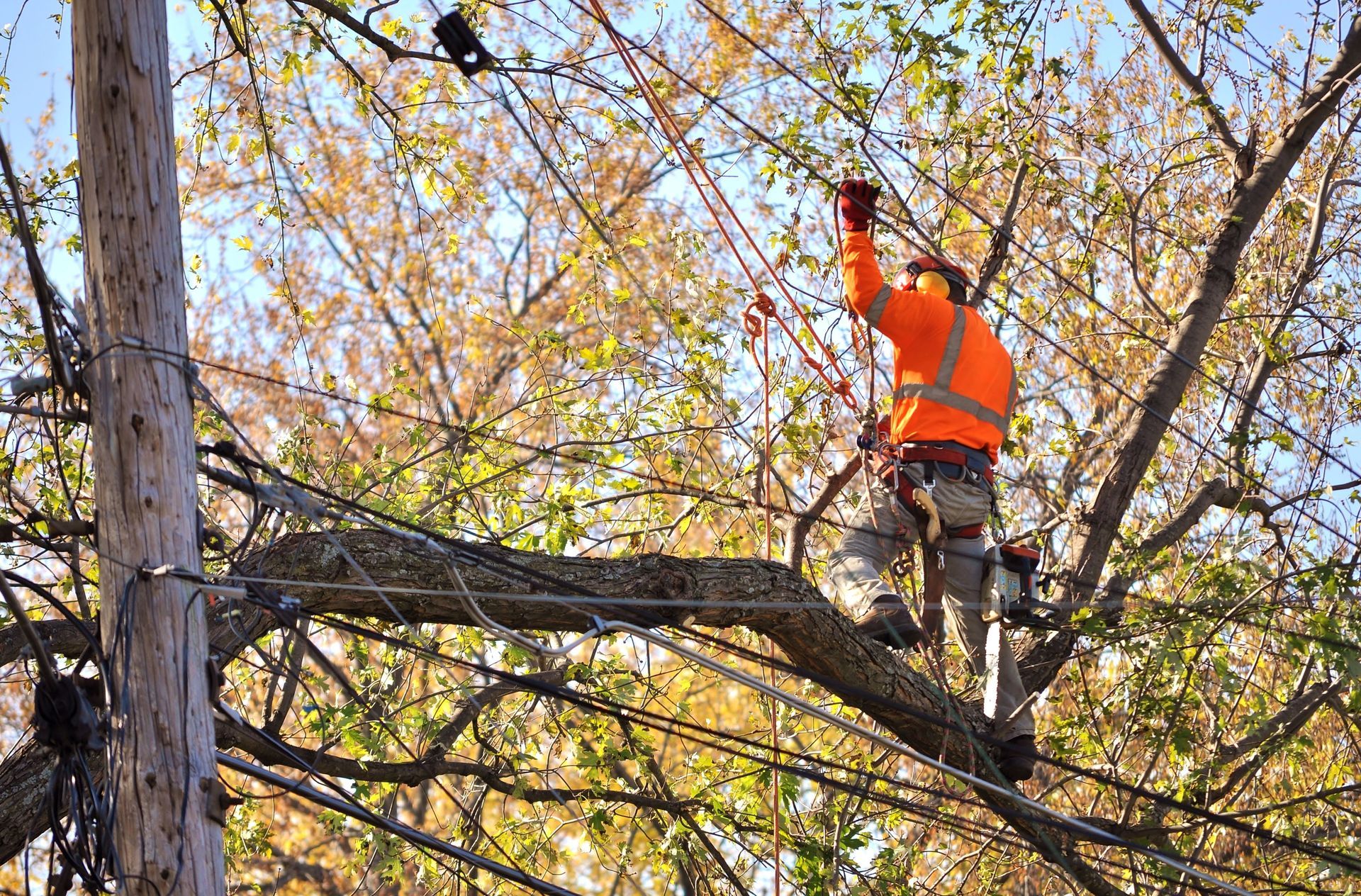
Tree maintenance becomes particularly urgent when the safety of people and property is at risk. Branches hanging too close to power lines pose an immediate threat of electrical outages and fires. Utility companies often perform routine checks to manage such risks, but property owners should also remain vigilant. Falling branches can disrupt power supply and cause severe damage. Utilizing specialized residential tree trimming helps mitigate these risks by maintaining a safe distance between trees and power infrastructure before a major failure occurs.
Overhead branches that extend over homes and other structures are another significant safety concern. High winds or heavy snow can cause these branches to break and fall, leading to structural damage or personal injury. Homeowners are advised to inspect trees regularly, especially after storms, to identify any weakened limbs. Immediate action is required when branches start showing signs of cracking or splitting.
Identifying Destructive Disease and Pest Infestations
A critical reason for urgent action involves combating disease and pest infestations that threaten the entire landscape. Common tree diseases such as canker, root rot, and blight can significantly damage tree health. Early signs of disease include discolored leaves, uncharacteristic leaf drop, and visible fungal growth on bark. Proactive removal of affected limbs aids in preventing disease spread to other parts of the tree or neighboring vegetation.
Pest infestations often manifest through visible signs like chewed leaves, webbing, and the presence of insects on foliage. These pests not only damage the aesthetic appearance of trees but also hinder growth by consuming essential nutrients. Carpenter worms, borers, and aphids are examples of pests that require immediate attention when detected. The impact of such infestations extends to weakening tree structure, making them prone to storm damage. Timely residential tree trimming coupled with specific treatments enhances tree resilience to pests.
Managing Severe Weather Related Emergencies
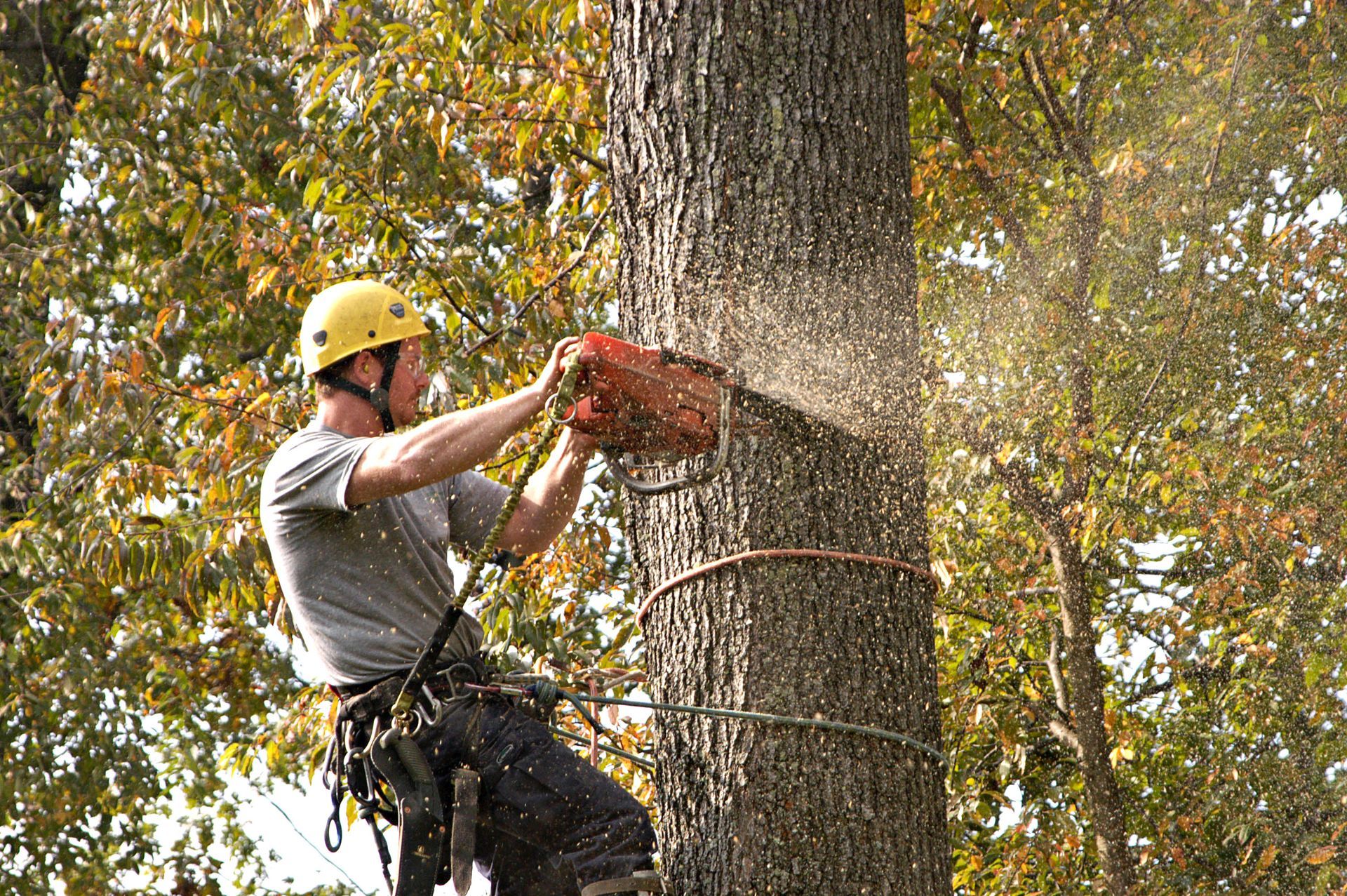
Severe weather events are known to cause significant damage to trees, making immediate clearing activities essential. Storms and high winds can lead to broken branches and uprooted trees, representing a hazard to nearby structures and people. Post-storm inspections should involve checking trees for damage that may not be initially apparent. Rapid intervention in removing damaged limbs prevents subsequent failures under less severe conditions. Preparing the canopy prior to storm seasons through residential tree trimming can minimize potential threats to safety and property.
Ice and snow accumulation on branches can significantly increase their weight, causing them to break under pressure. In regions experiencing harsh winters, maintaining tree health includes reducing canopy density to allow snow to pass through more easily. Proper maintenance reduces the likelihood of ice damage by minimizing surfaces where snow can accumulate. Recognizing early signs of stress, such as leaning trunks or cracking branches, guides effective management strategies.
Complying With Local Municipal Regulations
Understanding local ordinances regarding property maintenance is crucial for property owners who want to avoid legal friction. Municipalities may require specific clearances to ensure no encroachment on public utilities or endanger public spaces. Non-compliance with these regulations can result in penalties, which underscores the importance of adherence to legislation. Checking with local authorities before undertaking major clearing activities is recommended. This ensures alignment with laws that protect community aesthetics and safety.
Legal consequences of failing to comply with tree maintenance regulations should not be underestimated. Fines and mandatory compliance can impose significant financial burdens on property owners. Moreover, legal ramifications can arise from disputes involving unaddressed hazards, such as overhanging branches on a neighbor's property. Investing in timely residential tree trimming minimizes conflicts and fosters harmonious community relations. Observing these legal frameworks facilitates responsible property management while protecting your long-term financial interests.
Maximizing Long Term Environmental Beauty
Preserving tree health and aesthetics is one of the main objectives of regular property upkeep. Beyond safety reasons, proper maintenance enhances the natural beauty of trees, contributing positively to landscape design. By removing dead or unsightly limbs, the visual appeal of a property is significantly boosted. Well-maintained trees also add value to properties, attracting potential buyers by highlighting diligent care. Consequently, the benefits of routine maintenance extend both to private enjoyment and property market dynamics.
Specific techniques are pivotal for fostering healthy tree growth over their lifespans. Appropriate residential tree trimming methods stimulate growth by allowing better light penetration and air circulation. Seasonal interventions accommodate natural growth cycles, with fall and winter considered optimum periods for many tree species. However, individual species and specific climates might demand customization of this approach. The overarching goal remains to harmonize tree aesthetics with ecological health, reinforcing the longevity of landscape elements.
While aesthetics are important, they should not come at the expense of overall tree vitality. Over-pruning can strip trees of essential foliage, risking reduced photosynthetic capability and, ultimately, decline. Recognizing the difference between necessary and excessive clearing prevents inadvertent damage. Enlisting professional expertise in tree care ensures actions align with both aesthetic and ecological priorities. By achieving this balance, properties retain both their beauty and environmental benefits for generations to come.
Addressing the needs of your landscape becomes urgent when safety is at risk, when a tree shows signs of disease, or to comply with local regulations. Proactive maintenance can mitigate these issues, safeguarding both trees and property. Recognizing the signs of urgency can help in timely decision-making, ensuring the longevity and health of trees.
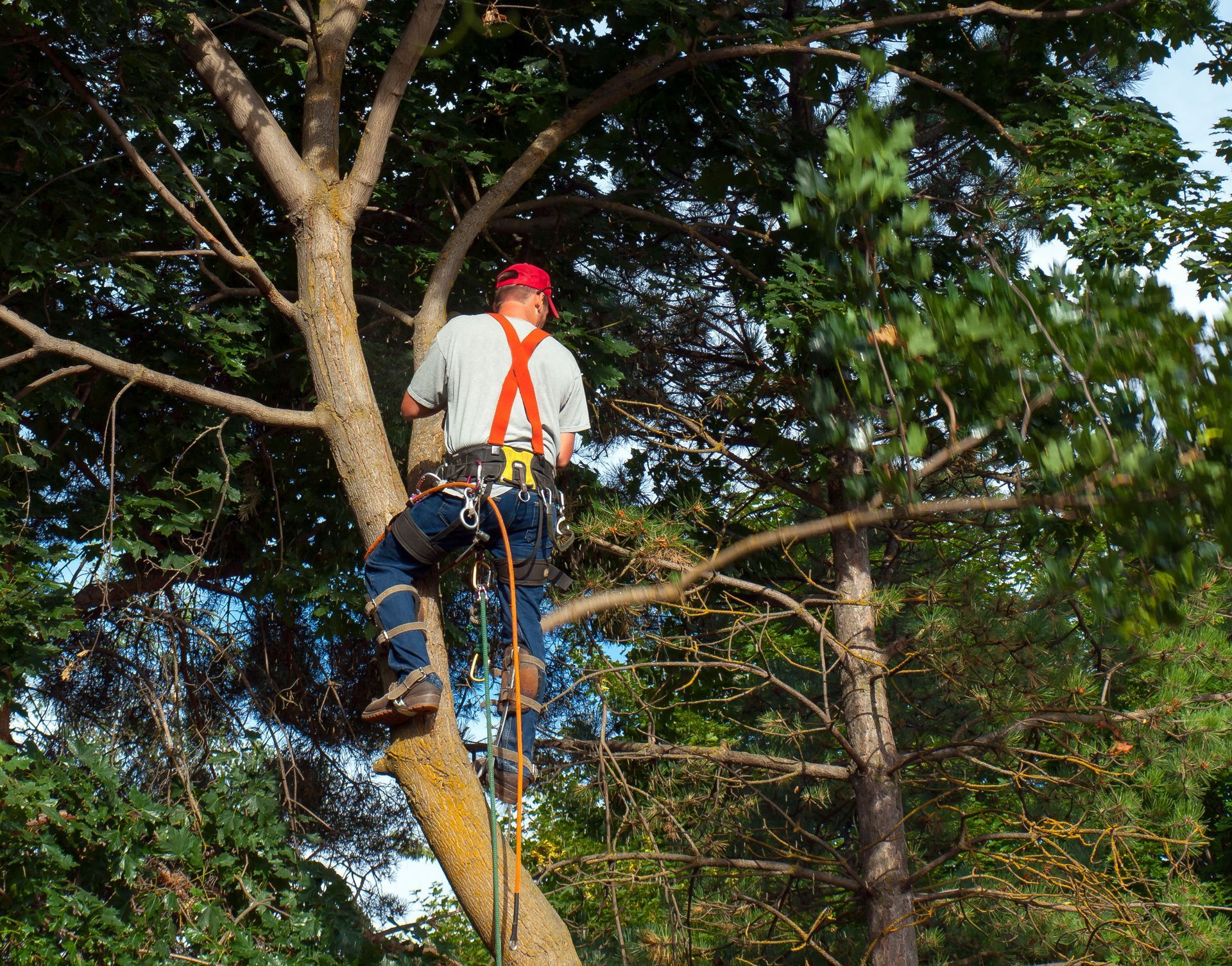
When you notice dead branches, overhanging limbs, or signs of stress, taking immediate action is the best way to secure your home. Entrusting your landscape to qualified professionals ensures that every cut promotes the long-term health of the plant. For homeowners looking to protect their property investment and enhance curb appeal, scheduling professional
residential tree trimming is a vital step. Contact Olive Branch Tree Care today to request a professional consultation and ensure your trees remain safe, beautiful, and healthy.