October 3, 2026
When trees are healthy maintained, they can contribute shade, structure, privacy, and natural character to a property. However, maintaining them involves more than simply removing branches that look out of place. Proper tree trimming requires an understanding of tree structure, growth patterns, potential hazards, and the way different cuts can affect future development. In some situations, professional assistance is the safest and most effective choice.
Knowing when to bring in an experienced tree care professional can help property owners protect both their trees and the surrounding landscape. Large limbs, signs of disease, storm damage, structural concerns, and branches near buildings or utilities can make routine maintenance significantly more complicated. Recognizing these situations early allows problems to be addressed before they become more difficult or potentially dangerous.
Hire a Professional When the Tree Is Large
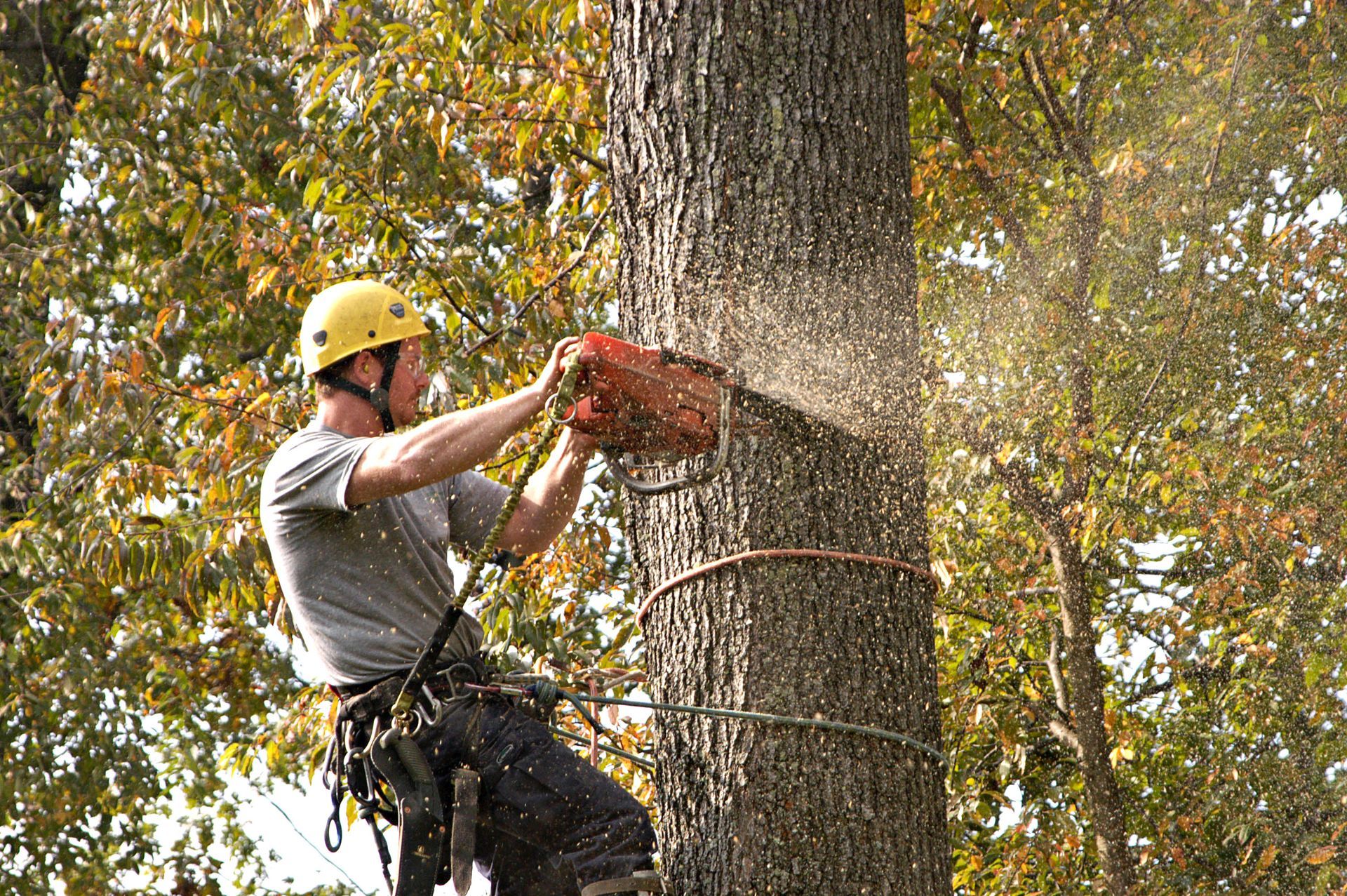
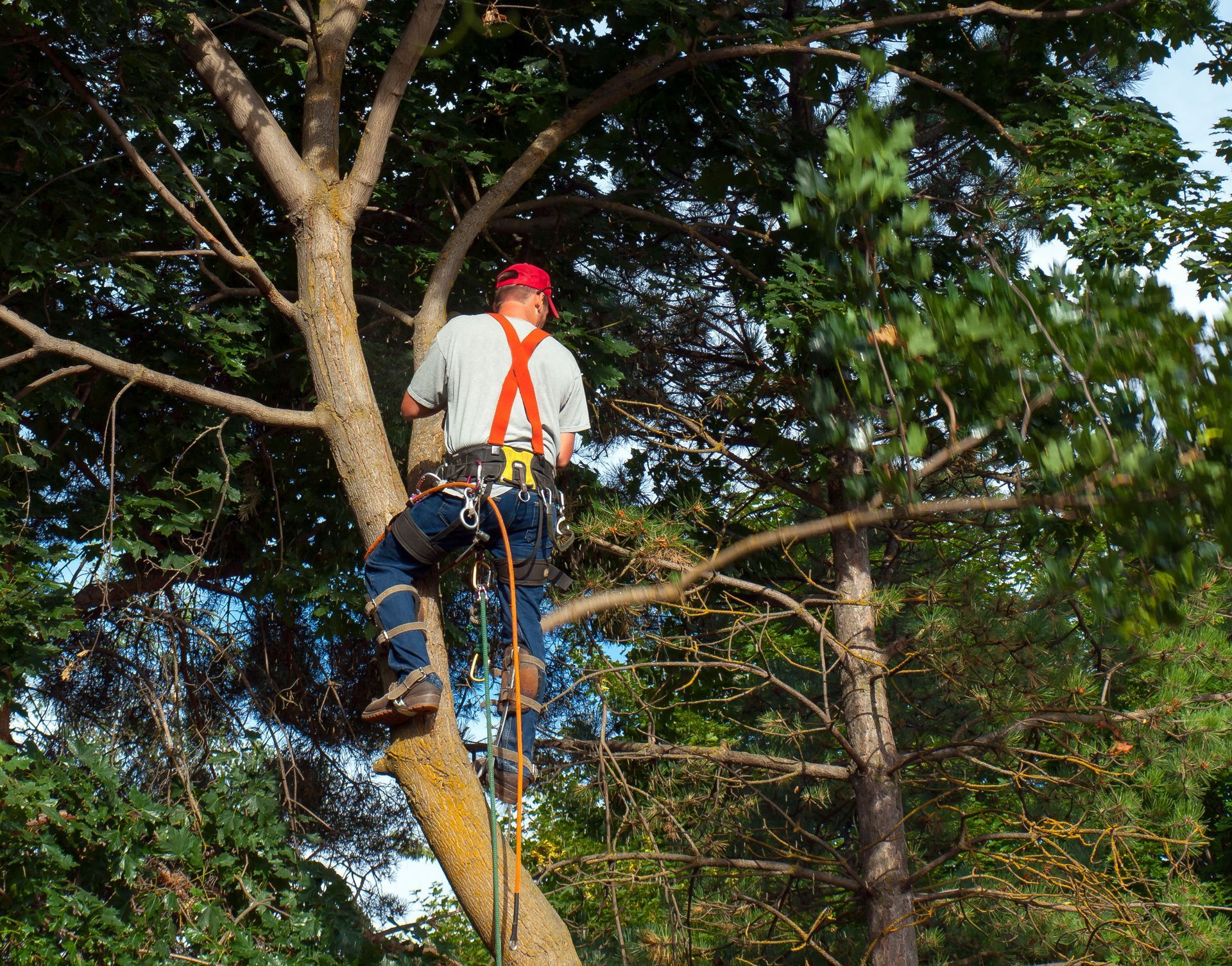
Size is one of the clearest indicators that professional assistance may be necessary. As a tree grows taller and develops larger limbs, working within its canopy becomes increasingly complicated. The weight and position of mature branches can make their movement difficult to predict once they are cut, particularly when structures, landscaping, vehicles, or other trees are nearby.
Height also introduces additional safety concerns. According to HomeGuide, hiring a certified arborist for trees over 15 feet tall is highly recommended because knowledge of tree biology and appropriate techniques can support long-term tree health. This expertise matters because removing the wrong branch or making an unsuitable cut can affect the way a tree responds and grows.
Hire a Professional When Branches Create Hazards
Branches that extend over homes, garages, driveways, walkways, fences, or outdoor gathering spaces deserve careful attention. Even a healthy-looking limb can create a concern when its size and location mean that a failure could damage property or injure someone below. Dead, cracked, hanging, or unusually heavy branches can make the situation more urgent.
Professional tree trimming is particularly valuable when removing a branch requires controlling how and where it moves. Large limbs can behave unpredictably as their weight shifts, and surrounding obstacles may leave very little room for error. Professionals can assess the branch, the tree, and the area around it before determining an appropriate approach.
Hire a Professional When Storms Cause Damage
Severe weather can change the condition of a tree quickly. Strong winds, heavy precipitation, and other weather events may break branches, split limbs, or place unusual stress on the trunk and canopy. Some damage is immediately visible, while other problems can remain concealed until a weakened branch begins to sag or the tree shows signs of structural instability.
After significant weather events, tree trimming may involve more than clearing fallen material. Remaining branches may have cracks or damaged attachment points that make them less stable than they appear. The canopy may also become uneven when major limbs are lost, potentially changing how weight is distributed throughout the tree.
Hire a Professional When Disease or Decay Appears
Changes in a tree’s appearance can sometimes indicate underlying health problems. Dead branches, unusual discoloration, thinning foliage, cavities, fungal growth, peeling bark, or sections that fail to produce normal growth may warrant closer examination. Although these symptoms do not always indicate a severe problem, determining their cause can require specialized knowledge.
When disease or decay is suspected, tree trimming should be based on the condition of the entire tree rather than appearance alone. Removing affected branches may be appropriate in certain circumstances, but indiscriminate pruning can place unnecessary stress on a tree or fail to address the actual source of the problem.
Hire a Professional When Branches Reach Structures
Trees often grow toward roofs, siding, windows, gutters, fences, and other nearby features as their canopies expand. Over time, branches that once had adequate clearance can begin rubbing against a building or extending directly above vulnerable areas. These situations can create maintenance concerns for both the tree and the structure.
Professional tree trimming can help establish appropriate clearance without unnecessarily removing large portions of the canopy. Simply cutting every branch that extends toward a building may alter the tree’s natural form or create an unbalanced structure. Thoughtful pruning considers both the immediate clearance issue and how the remaining branches are likely to develop.
Hire a Professional When Utility Lines Are Nearby
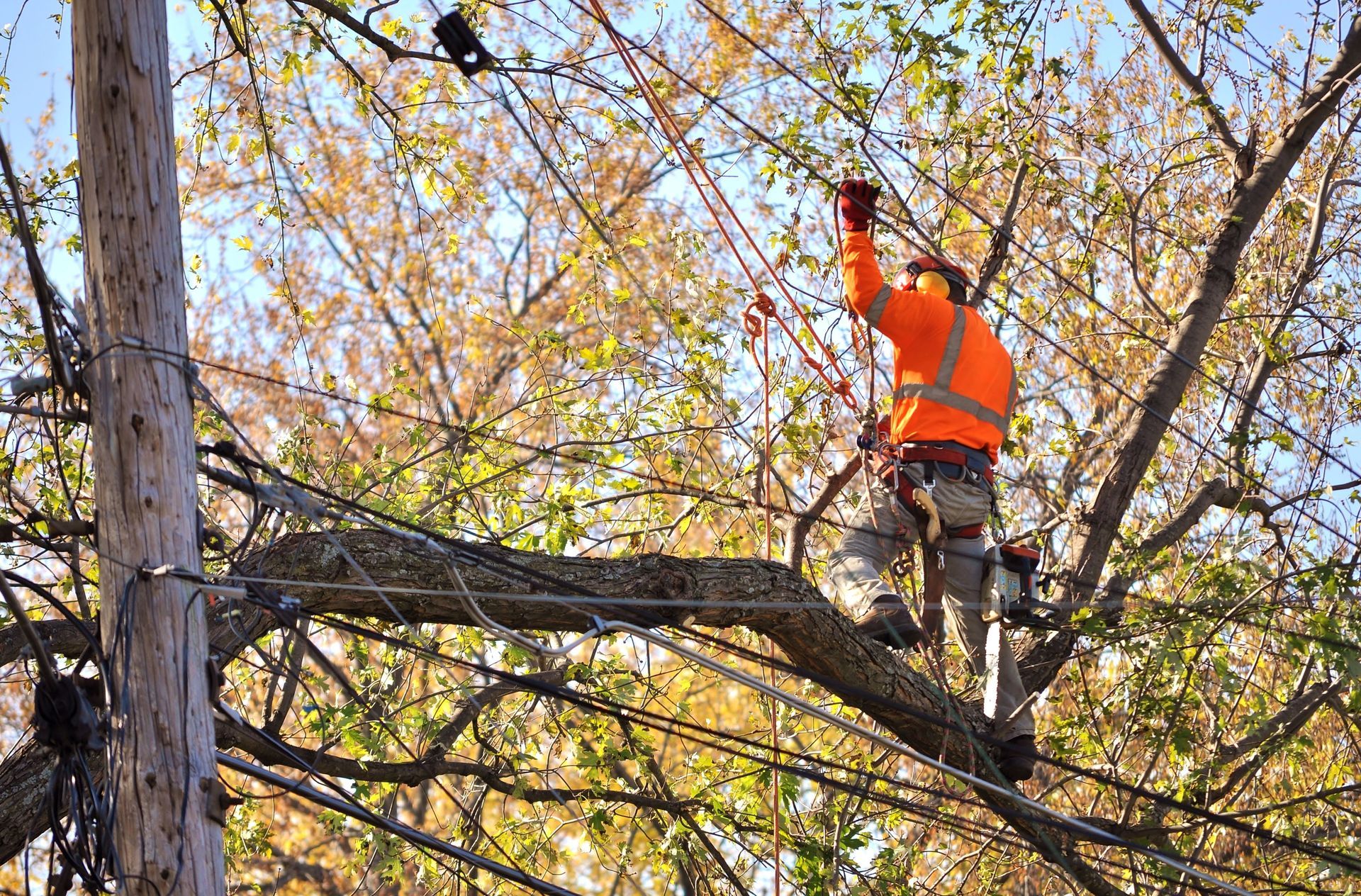
Branches growing near utility lines present a particularly serious situation. Trees and electrical infrastructure can create hazards that should not be approached like ordinary landscape maintenance. A branch does not necessarily have to be touching a line for the surrounding area to require additional caution.
Tree trimming near utility infrastructure may involve specialized restrictions, equipment, and safety considerations. Property owners should avoid treating these situations as routine pruning projects. Instead, the appropriate utility provider or a qualified tree care professional can help determine what type of service is necessary and who is authorized to perform the work.
Hire a Professional When the Canopy Needs Care
Not every reason for professional assistance involves an emergency. Mature trees can gradually develop dense, uneven, or poorly structured canopies that may benefit from careful maintenance. Crowded branches can compete for space, cross or rub against one another, and alter the overall form of the tree as they continue growing.
Professional tree trimming can focus on improving structure while preserving healthy branches and the tree’s natural appearance. This requires judgment because removing too much living material can place stress on the tree. Professionals consider branch placement, attachment, condition, and growth direction before determining what should be removed.
Regular professional assessment may also help identify developing concerns before they become more significant. A branch that is beginning to rub against another limb, for example, may be easier to address before both become larger. Preventive care can therefore support thoughtful canopy management rather than waiting until branches become damaged, oversized, or hazardous.
Hire a Professional When the Right Approach Is Unclear
Property owners do not need to diagnose every tree concern themselves. Sometimes the strongest reason to request professional help is simply uncertainty about what a tree needs. A branch may appear dead but still have living tissue, a leaning limb may be naturally positioned rather than unstable, or unusual growth may have several possible explanations.
An assessment can provide useful context before tree trimming begins. Professionals can consider the species, age, visible condition, location, surrounding environment, and structural characteristics of the tree. That information can help determine whether pruning is necessary, which areas deserve attention, and whether another type of tree care may be more appropriate.
This is particularly valuable for mature or prominent trees that contribute significantly to a property’s landscape. Decisions made during pruning can influence appearance and development for years. Seeking qualified guidance when the correct approach is uncertain can help preserve healthy growth while addressing legitimate safety and maintenance concerns.
Hire a Professional When Long-Term Tree Health Matters
Professional tree care is not limited to solving immediate problems. Thoughtful pruning can be part of maintaining trees as long-term landscape assets. By considering branch structure, canopy balance, health, and surrounding conditions together, professionals can make recommendations based on how the tree is likely to respond over time.
Well-planned tree trimming can address damaged or problematic growth without unnecessarily disrupting healthy portions of the canopy. This balance is important because trees respond biologically to pruning. The location, extent, and timing of branch removal can influence future growth and overall condition.
Property owners should consider professional assistance whenever tree size, structural concerns, disease, storm damage, nearby structures, or uncertainty makes maintenance more complex. Recognizing those circumstances can help protect people and property while supporting the tree’s continued role in the landscape.
Hire a Professional When You Need Dependable Tree Care
Trees can require different types of attention throughout their lives, and knowing when professional expertise is appropriate is an important part of responsible property care. Large trees, hazardous branches, storm damage, health concerns, utility conflicts, and complicated canopy conditions all deserve careful evaluation rather than assumptions based solely on appearance.
When you need professional tree trimming, contact Olive Branch Tree Care. We can evaluate your trees, discuss their condition, and help determine an appropriate approach for your property. Our team can address tree care needs with attention to safety, structure, and long-term health, giving you a knowledgeable resource when your trees require professional attention.