June 17, 2026
Tree management is essential for property safety, yet it is often overlooked until a serious crisis occurs. While large trees provide shade and beauty, they can pose immense threats if left unmanaged. Disregarding these hazards leads to severe building damage or personal injury. This article explores why clearing hazardous growth protects your home. Implementing strategic tree removals prevents unforeseen disasters and ensures long-term safety.
1. Protect Structural and Property Integrity
Tree roots extend far beyond the visible canopy, frequently invading the vulnerable space beneath home foundations. When large roots grow directly under concrete structures, they lift heavy slabs, crack foundations, and compromise overall structural stability. Over time, walls shift, and floors settle unevenly, creating expensive structural repairs. Monitoring tree placement protects your home from these hidden, subterranean threats.
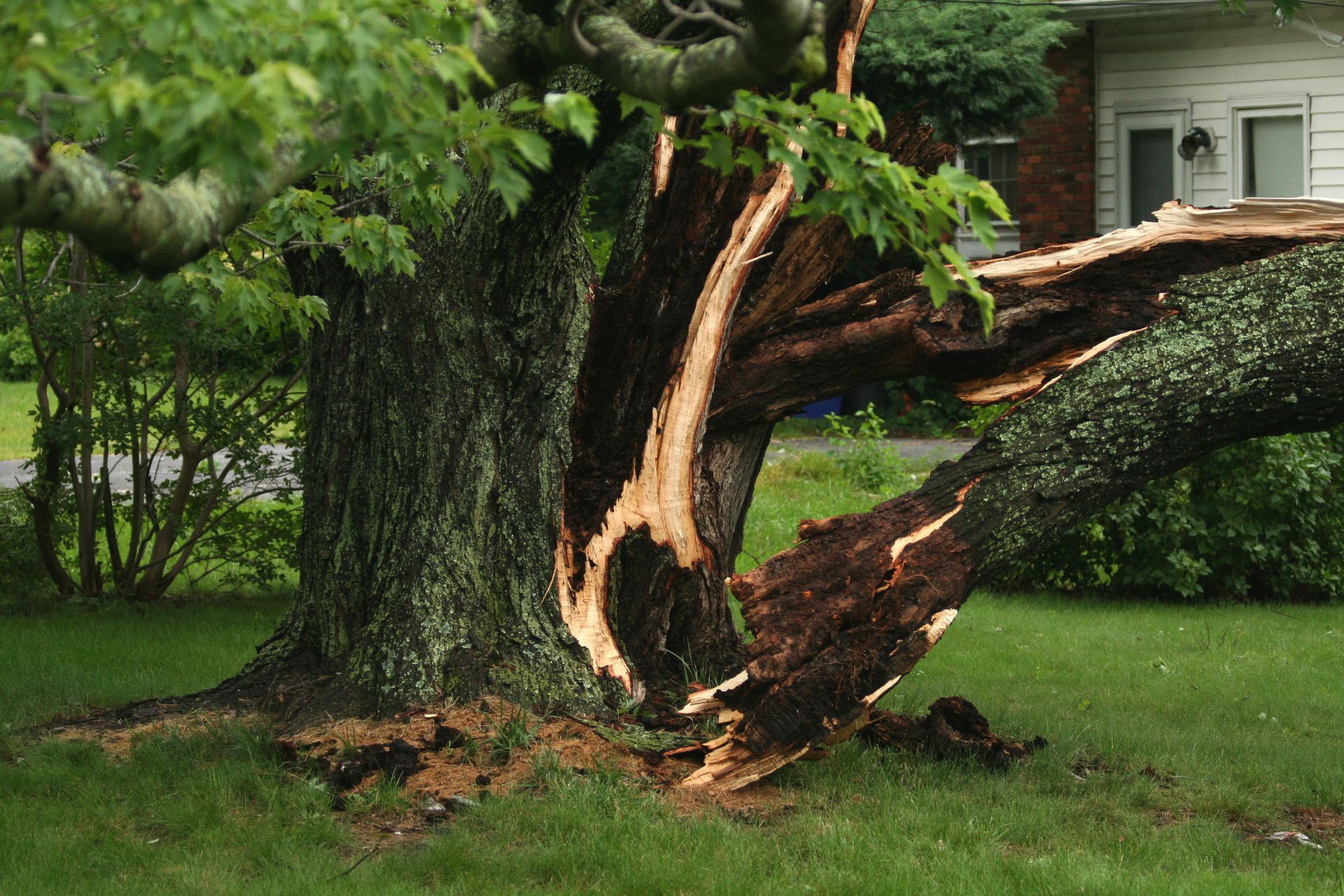
Severe storms and high winds pose immediate dangers to properties featuring unstable or decaying trees. Extreme weather easily topples weak trunks, sending heavy limbs crushing through roofs or shattering windows. During intense storms, dead branches transform into dangerous airborne projectiles that threaten nearby structures. Executing professional tree removals before storm season arrives is a verified way to shield your home from catastrophic damage.
Continuous debris from overhanging branches rapidly fills gutters, leading to severe water backup and exterior siding deterioration. Blocked drainage systems force water to overflow down walls, promoting toxic mold growth and accelerating foundation rot. Regular maintenance provides temporary relief, but it rarely solves the underlying issue. Eliminating these problematic limbs preserves your roofing materials and guards your home exterior from ongoing water-related decay.
2. Eliminate Hazardous Personal Safety Risks
Dead or decaying branches present an immediate threat to anyone walking below, as they can snap without warning. This safety hazard escalates during volatile weather when weak limbs cannot withstand intense wind pressures. Homeowners often find it difficult to diagnose internal trunk decay, making professional assessments vital. Planning timely tree removals protects your family, guests, and pets from experiencing sudden, severe injuries in your yard.
Subterranean root growth can physically lift sidewalks and crack driveways, creating uneven surfaces that act as tripping hazards. Overhanging foliage also blocks critical sightlines for drivers exiting the property, increasing the likelihood of vehicular collisions. Maintaining clear pathways is essential for daily convenience and basic residential safety. Correcting these physical obstructions ensures that visitors can safely navigate your walkways.
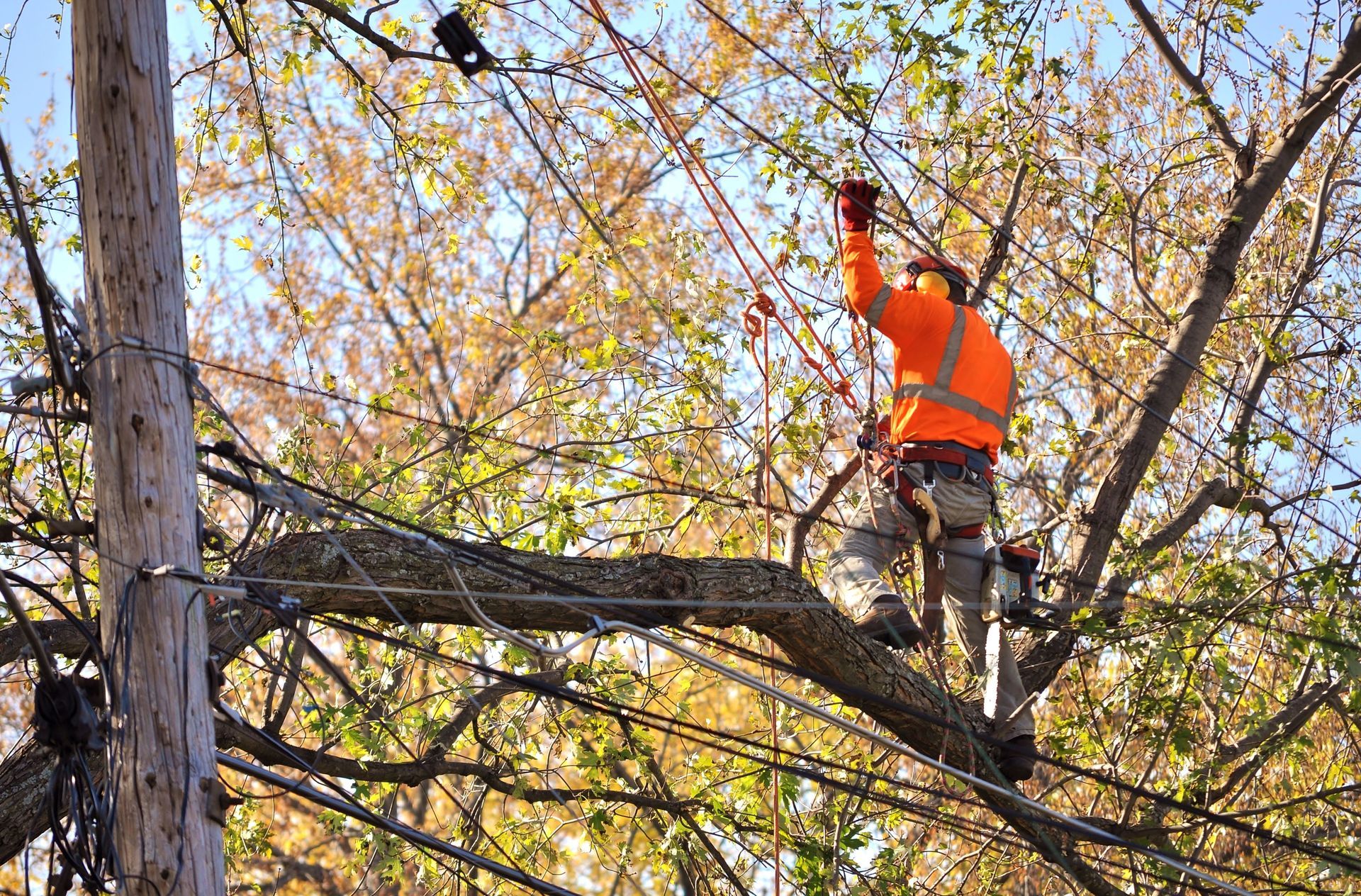
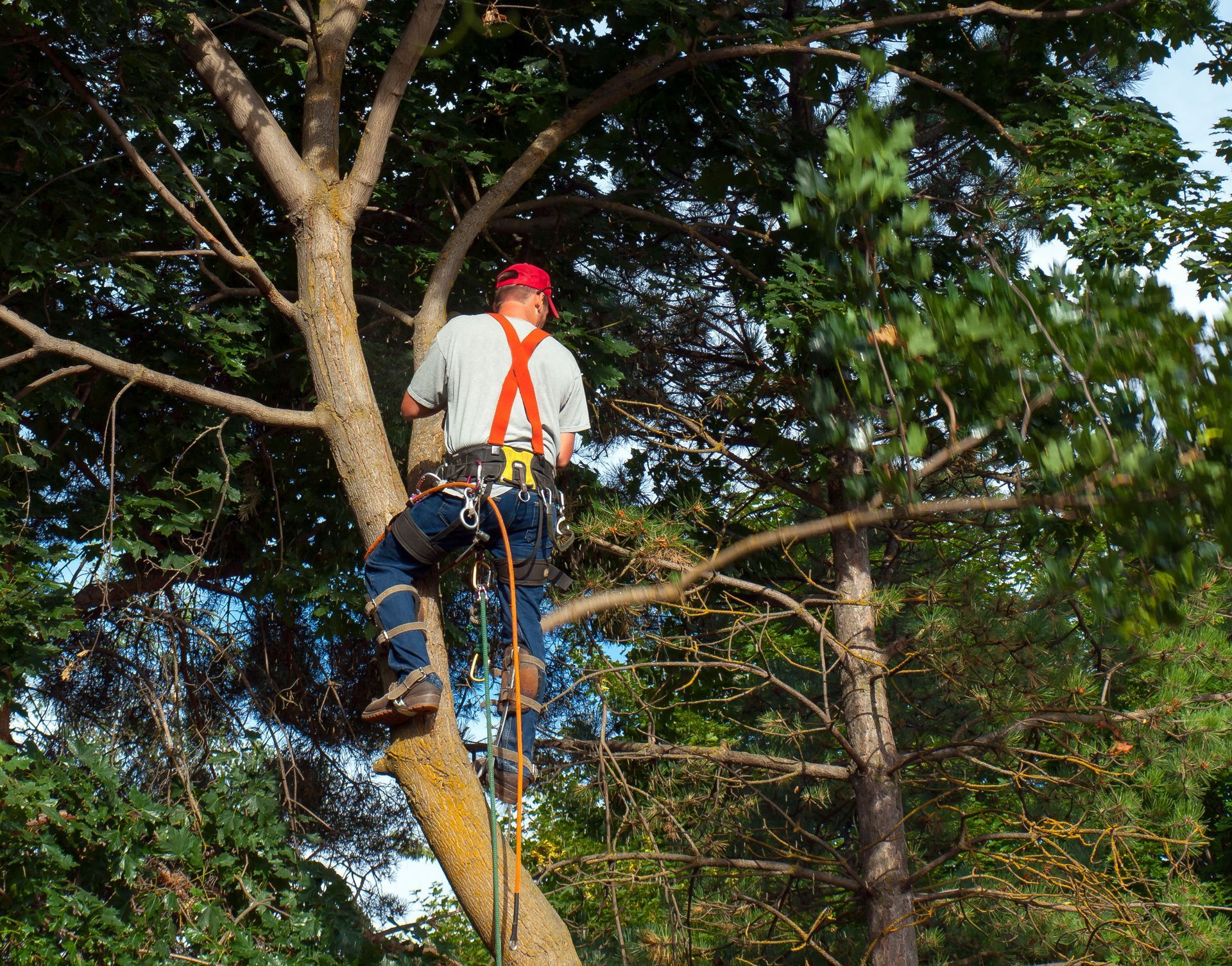
Handling these hazards requires specialized knowledge, as amateur attempts often lead to severe accidents. According to Lawn Love, clearing a smaller specimen usually lasts 1 to 2 hours, whereas larger extractions demand 3 to 4 hours of intensive labor. Because of these distinct operational timeframes, complex projects require specialized rigging equipment and professional oversight. Attempting to manage extractions without proper training multiplies physical risks.
3. Improve General Landscape Aesthetics Layout
An excessive number of trees creates a chaotic appearance that diminishes a property's market value and curbside appeal. Overcrowded landscapes force multiple plants to compete for limited sunlight, groundwater, and vital soil nutrients, causing stunted growth. Carefully evaluating your yard allows you to determine which crowded elements require extraction to restore design harmony. Opening up physical space transforms a cluttered thicket into a beautifully balanced environment.
Dominant, aggressive tree species frequently suppress the growth of surrounding flowers, shrubs, and turfgrass by hogging essential resources. A thriving landscape requires a delicate ecological balance where every plant receives adequate sunlight and nutrition to flourish. Utilizing selective tree removals can enhance overall biodiversity, allowing smaller ornamental plants to receive the light they need. This thoughtful approach revitalizes your garden, making the ecosystem more resilient.
Asymmetrical tree distribution makes an otherwise beautiful yard look completely uneven, uncoordinated, and visually distracting to visitors. Eliminating specifically misplaced or misshapen growth corrects this aesthetic imbalance, establishing a highly polished, cohesive exterior design. Enhanced sunlight penetration also eliminates damp, mossy patches on your lawn, creating a bright atmosphere. Intentional landscape styling ensures your outdoor living zones remain functional, healthy, and visually impressive.
4. Control Spreading Tree Diseases Effectively
Certain tree species possess an inherent vulnerability to aggressive pathogens that rapidly compromise their internal structural fibers. As a disease hollows out a trunk, the tree turns into an unpredictable hazard capable of collapsing onto nearby structures. Proactive landscape management involves identifying these sick specimens early before the underlying decay becomes unmanageable. Eliminating infected timber preserves the safety of your yard and protects adjacent properties.
Severe insect infestations can quickly decimate entire patches of healthy vegetation if left unaddressed by the property owner. Boring beetles and invasive pests target weakened bark, multiplying rapidly and spreading outward to consume neighboring ornamental plants. Tackling tree removals promptly stops the reproductive cycle of these destructive insects, safeguarding the rest of your landscape investments. Creating a hostile environment for pests ensures your remaining greenery stays vibrant.
Fungal infections and widespread wood rot represent severe biological threats that compromise a root system within a short timeframe. These aggressive organisms silently decay subterranean anchoring systems, leaving large trees vulnerable to falling during minor wind gusts. Early detection through regular inspections allows homeowners to remove compromised specimens before they cause catastrophic damage. Intervening with decisive extraction methods remains the most effective way to secure long-term landscape safety.
5. Facilitate New Property Construction Projects
Embarking on residential expansions or upgrading outdoor amenities frequently requires clearing specific zones of your yard. When scheduling major renovations like adding a guest house or extending a driveway, existing layout barriers must be addressed. Executing strategic tree removals opens up the necessary physical footprint required for heavy machinery to operate safely. Preparing the ground correctly ensures that new foundations can be poured without future root interference.
Creating functional outdoor living spaces like decks, patios, or swimming pools significantly enhances the daily utility of your property. Overhanging canopies often drop constant debris into pool filtration systems or block the sunlight needed for solar heating elements. Removing problematic flora allows you to design open, sunny entertainment spaces that align with your lifestyle. Transforming your acreage requires a careful balance between preserving nature and building modern home improvements.
Installing or repairing underground utility lines also demands unobstructed access to clear terrain beneath the topsoil. Deep root networks can wrap around sewer pipes, puncture water lines, or disrupt buried electrical conduits over time. Clearing out conflicting vegetative growth prevents recurrent utility damage and simplifies future maintenance access for municipal technicians. Prioritizing infrastructure safety ensures your household systems remain fully operational and secure for years to come.
6. Minimize Long-Term Financial Liability Risks
Neglecting unstable trees can lead to catastrophic financial burdens if a failure results in property damage or personal injury. Homeowners face substantial legal liabilities if a known hazard collapses onto a neighbor's vehicle or home structure. Taking proactive measures protects your personal assets and shields you from costly personal injury lawsuits. Maintaining a secure perimeter ensures that your property does not become a financial hazard to the community.
Property insurance providers evaluate the landscape when determining coverage rates and risk factors. Insurers may deny claims or increase premiums if preventable tree hazards caused structural destruction. Documenting regular safety inspections and executing necessary clearing projects demonstrates responsible property ownership. Protecting your financial standing requires mitigating visible environmental risks before accidents happen.
Tree management is a key factor in ensuring property safety, involving a broad spectrum of considerations that owners must address. From potential dangers posed by falling branches to long-term financial liabilities, the necessity of extraction becomes evident. Aligning safety, aesthetic preferences, and financial prudence guides these decisions. As your property evolves, prioritizing necessary
tree removals ensures your family and investments remain completely secure. Let us handle your landscape needs at Olive Branch Tree Care so we can protect your property together.